
Why authentication should start with the customer

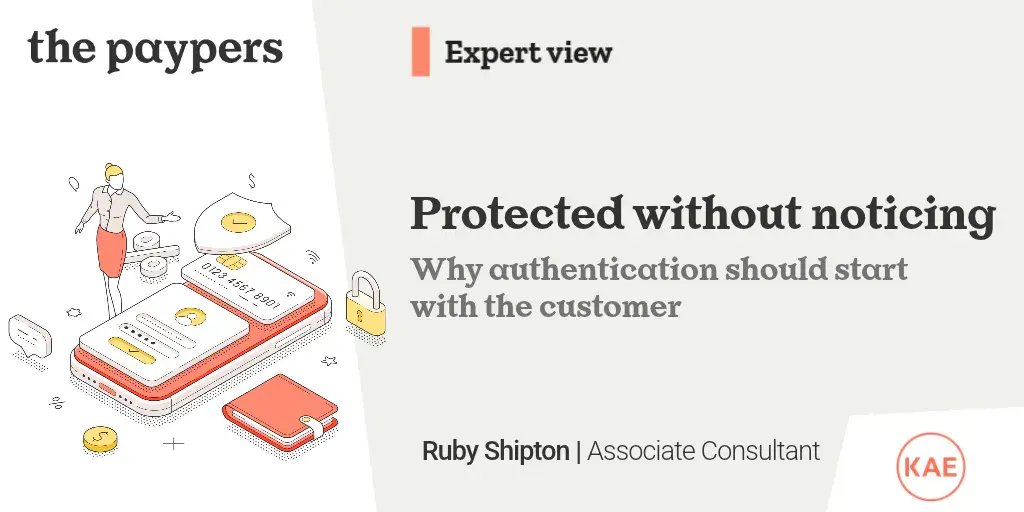
Protected without noticing: why authentication should start with the customer

Ask consumers about checkout security and they appear to contradict themselves. With 42% extremely or very worried about fraud, almost all of them (93%) say they are willing to accept extra security steps at checkout or login. Yet 87% of online shoppers say they will abandon their cart if checkout is too difficult. Both answers are true. People want to be protected, and they want to be protected without noticing.

That leaves merchants and issuers with a bit of a balancing act. Too little friction lets fraud through and damages trust that is hard to rebuild. Too much drives legitimate customers away, often for good. In the US, wrongly declining genuine customers is estimated to cost merchants far more than card-not-present fraud itself. Every authentication step is a trade-off between protecting a customer and losing them to drop-off.

3D Secure has done a great deal to ease that tension, but technology alone can’t tell a business where friction belongs. Too often, authentication is set by fraud models and compliance rules applied across the board. The businesses getting it right start somewhere else. They start with the customer, in the context of each transaction, and an understanding of how much friction that customer will accept and when.

Read more.


Keep exploring

3-D Secure
All insights

Find the right path forward

Explore the solutions most relevant to your organization

Solutions by outcome

Explore the outcomes that matter most, from fraud reduction to lower friction.

Solutions by use case

Find the right path for the challenges you need to solve across channels and journeys.

Solutions by industry

See how Entersekt supports banks, credit unions, and other financial institutions.

We don't just protect - we revolutionize

See how Entersekt helps financial institutions move forward